Athlete-D
Collaborative project researches the interplay between menstrual cycle, performance and health in top female athletes
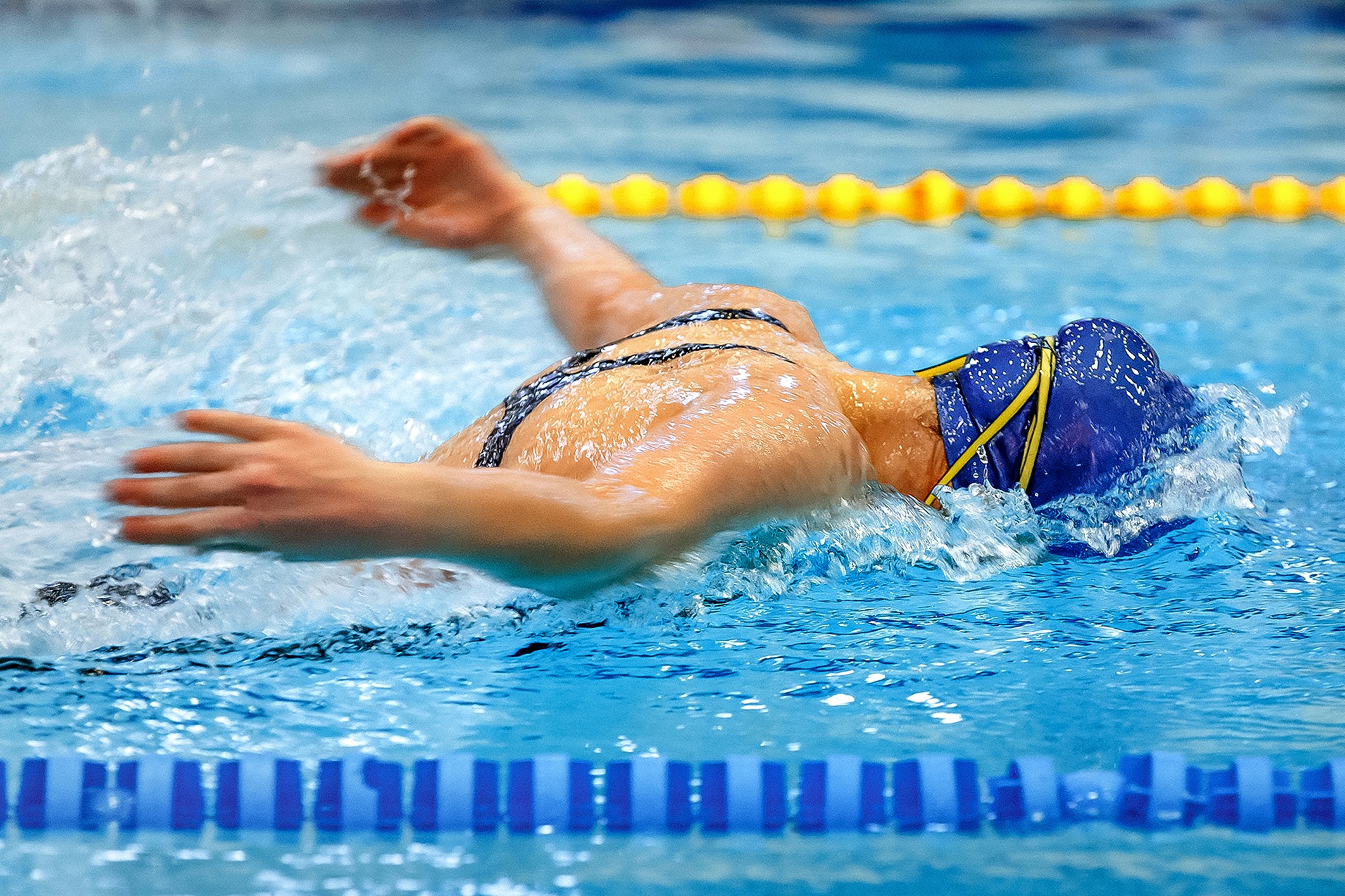
Athletin-D wants to create the best possible conditions for top female athletes so that they can fulfil their sporting and personal potential. // Photo Colourbox
As part of Athletin-D, Professor Kirsten Legerlotz is leading a sub-project investigating the relationships between high-performance training, hormonal processes and injury frequency. Together with her colleague Professor Petra Platen from Bochum, she is also investigating questions of performance and trainability in relation to the phase of the menstrual cycle and the use of hormonal contraceptives.
The interdisciplinary core team of the consortium includes Professor Dr Karsten Köhler, nutritionist from the Technical University of Munich, Professor Dr Kirsten Legerlotz, training scientist from the University of Wuppertal, Professor Dr Petra Platen, sports and nutritional physician from the University of Bochum and Professor Dr Jana Strahler (sports psychologist at the Institute of Sport and Sports Science at the University of Freiburg.
The consortium will receive funding of 1.6 million euros for four years as part of the BISp call for proposals "Female athletes in the area of conflict between optimising performance and maintaining health".
Better understanding of interrelationships
Athletin-D will systematically investigate gender-specific characteristics, particularly in the context of the menstrual cycle. The aim is to better understand its influence on performance and trainability and, conversely, the influence of high-performance training and the associated physical, psychological and nutritional factors on menstrual cycle health, and to make this knowledge usable in practice.
Interlinking research and competitive sports practice
The project pursues a transdisciplinary approach by bringing together existing knowledge, practical experience and new research findings. Close integration with competitive sports practice is central to this: solutions are developed in close dialogue with athletes, coaches and teams of experts. To this end, the consortium cooperates with top national sports associations, Olympic training centres and international partners. The researchers will also derive knowledge and application gaps from this collaboration and work on them scientifically.
"In Wuppertal, in cooperation with other research institutions, we will use innovative and established imaging and laboratory chemical examination methods to analyse muscle adaptation and bone metabolism in competitive athletes with a disrupted menstrual cycle and the ability to regenerate in the longitudinal course," reports Professor Legerlotz.
Cycle-based monitoring and training adaptation
Based on their findings, the scientists will develop a freely available, digital monitoring system that systematically and individually incorporates data on the menstrual cycle into training control and health management. It is intended to serve as an interface between athletes, coaches and interdisciplinary support and specifically expand existing monitoring in competitive sports.
More on this topic: Press release from the Federal Institute of Sports Science