Europe-wide thinking
Wuppertal project for the prevention of radicalisation in schools
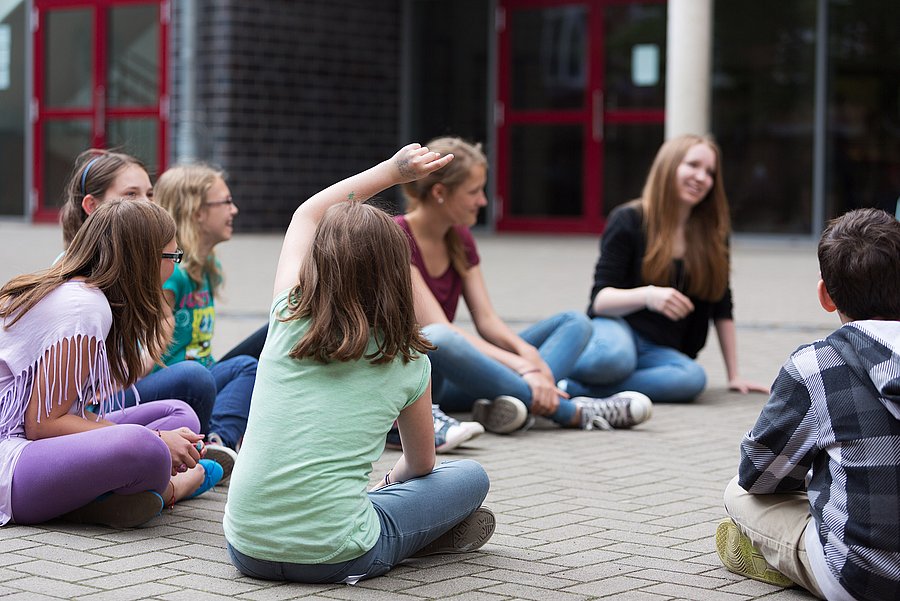
The project supports pupils in developing critical thinking and leadership skills. // Photo Christian Schwier - stock.adobe.com
The project uses a multi-tiered support model (MTSS) that combines different approaches. These include social-emotional learning (SEL), which strengthens pupils' emotional competence and interaction with others, school-wide positive behaviour support (SWPBS), which supports desirable behaviour, and measures to promote mental health.
Recognising potential risk factors at an early stage
Teachers receive comprehensive training to identify potential risk factors for radicalisation at an early stage and respond appropriately. At the same time, the project supports pupils in developing critical thinking and leadership skills. In addition, the project implements student-led initiatives that raise awareness among peers and establishes professional networks of teachers to promote professional exchange. Through this inclusive approach, the project actively involves all stakeholders in the implementation of the programme.
The EU project "Schoolwide Positive Behaviour Support for Resilience Against Extremism" (SESAME-RESIST) is funded by the European Union as part of the Erasmus+ programme with around 400,000 euros and is set to run for three years.
Empowering young people
Coordinator of the cooperation partnership and Chairman of the Institute for Educational Research, Professor Gino Casale, says: "With our approach, we are empowering young people where they spend a large part of their everyday lives - at school - and helping them to think critically, take responsibility and withstand extremist influences."
Together with his colleagues from the University of Wuppertal - Aleksandra Stalmach, Esheref Haxhiu and Isidora Kojic - Casale will support schools in implementing the project. The model is to be used in schools throughout the EU in the long term.
Project partners from four countries
The project partners from Italy, Portugal, Spain and the Netherlands will work closely together, meeting in person around twice a year and regularly exchanging information virtually. All the concepts developed will be implemented in practice and then scientifically tested for their effectiveness.