University competition
Medicine of the future: idea from Wuppertal receives 10,000 euros for realisation

Symbolic image of the medicine of the future. // Photo Colourbox
Sabrina Huber plans to use the prize money to organise a series of events that will take her to very different locations in Wuppertal. In interactive formats such as a shared reading evening or a writing workshop, she wants to exchange ideas with citizens about stories and literature in the field of tension between care, precaution and control in medicine.
Literature helps to understand
As a literary scholar, she is not researching new forms of therapy, but she is investigating how literature writes about these and other medical topics. "Understanding how we tell stories means understanding which expectations, hopes, fears and norms about the body, health and care accompany our everyday lives," reports Sabrina Huber.
Specifically, her series will focus on four topics: "Care/emergency", "AI-supported psychotherapy", "Tracking female body data" and "Care (in)justice". A public event will be held on each topic with a different target group and a different interaction format. "My aim is to read, discuss and produce fictional narratives with different groups in everyday places such as a care facility, a gynaecology practice or a city kiosk: How do we imagine medical care in the future? What visions do we want to live, prevent or shape?"
"What does that do to us?"
For years, literary novels and TV series such as Charité 2049 have been sketching out visions of the future of medical and nursing care under conditions of self-monitoring and surveillance. In this way, they visualise the social and ethical challenges of future medicine. "This is where I start with my project and ask the question: What does this do to us? What opportunities and risks are depicted in the future worlds and what personal relationships do we have and develop in relation to them?" explains Sabrina Huber.
Literature makes it possible to enter into dialogue about complex medical developments and to discuss questions and possibilities together. "I'm really looking forward to meeting as many people as possible with their views on the medicine of the future and I'm excited to see what overlaps there are with the stories from literature," emphasises Huber.
Now that her project has been selected for realisation, the scientist has to plan the details of her series. It is expected to start in the summer, with further dates to follow by the end of the year.
The winners will provide regular updates on their progress, difficulties and highlights during the realisation of their project on Instagram and the university competition website.
More background on the university competition
The university competition is organised annually by Wissenschaft im Dialog (WiD) and cooperation partners and is funded by the Federal Ministry of Research, Technology and Space as part of the Year of Science.
The successful teams in the current round come from all over Germany and use different communication formats - from an exhibition and cookery evenings to a poetry competition. To accompany the implementation of their idea, the winners attend training courses and events organised by Wissenschaft im Dialog, including on science communication and public relations, social media, storytelling and event organisation.
About the person
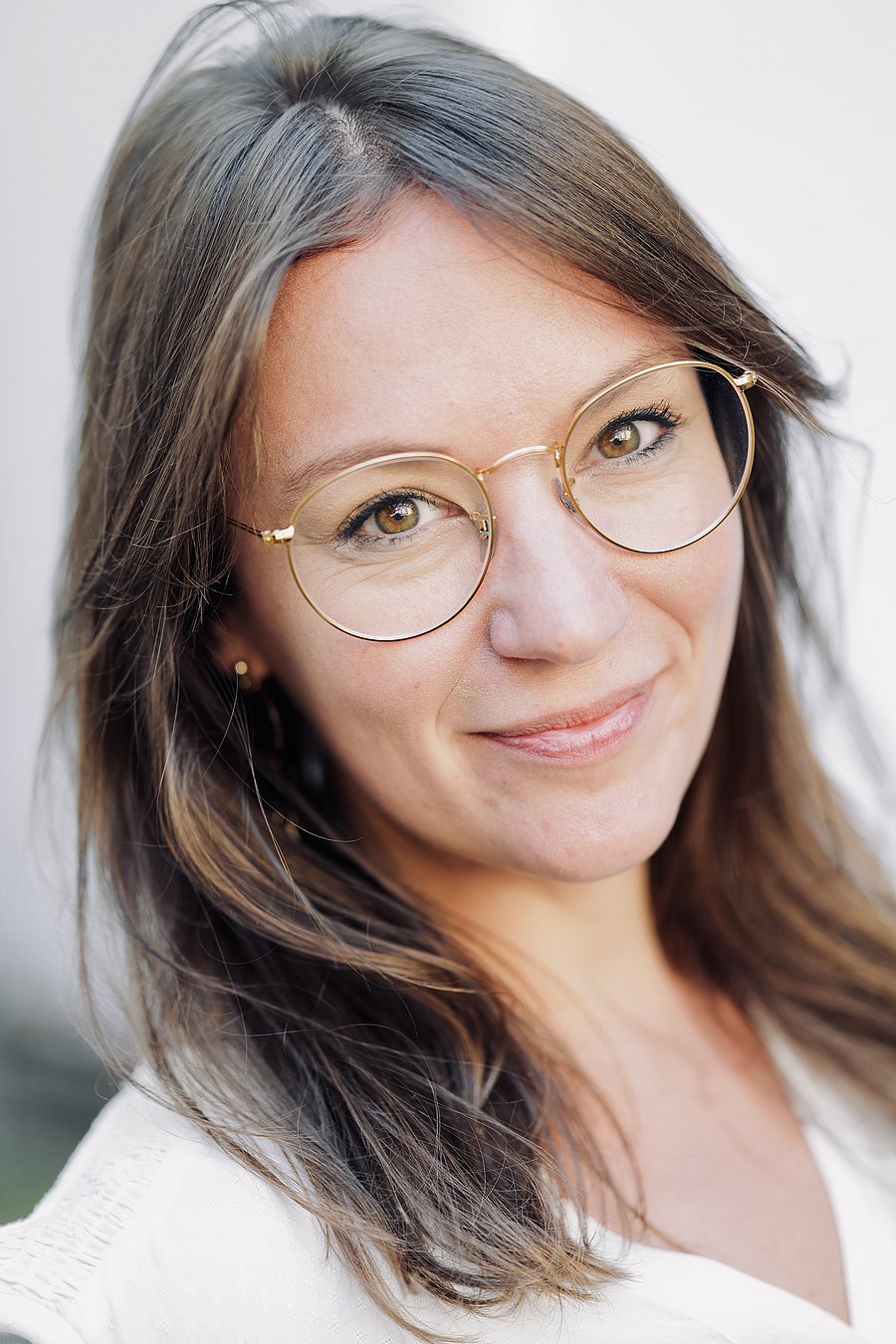
Dr Sabrina Huber is a postdoctoral researcher in Modern German Literature at the University of Wuppertal. In her dissertation on surveillance narratives in the present, she researched narratives about (self-)surveillance of bodies, health and illness. Her research interests also include the relationship between literature and politics as well as protest narratives. She is currently working on a study on narrated conflicts over natural resources such as water, forests or land in literature.