Interview
Design instead of hype: How AI is driving NRW forward
Symbolic image: The members of the Enquete Commission are dedicated to various focus areas - including the economy, education, security and innovation as well as AI in everyday life. They ask where AI is already being used, consider the risks and opportunities, and ultimately draw an overall picture in order to develop an AI vision for NRW. // Photo Colourbox
"Artificial intelligence - for a smart state in a digitalised society" is the title of the commission of enquiry in which you are both involved as experts. What appeals to you about your involvement?
Prof Heuer: Research is a lot of fun, that's why I became a professor. But we also want society to benefit from it. In this sense, participating in the Enquete Commission is of course a great opportunity. I've been following the topic of AI for years and there are some interesting positions. On the one hand, AI has incredible potential and it is totally exciting to see what is possible with it. On the other hand, I can see that there is a lot of hype, some of which is not really justified. And of course there are a lot of fortune hunters who want to make a quick buck. I believe that I can play my part in distinguishing the good from the bad. That is my core motivation. I believe that people who use AI have a clear advantage over those who don't use AI. And I think as scientists and politicians, we need to make sure that everyone benefits from AI.
Prof Meisen: Initially, I was quite hesitant and wondered what contribution I could make at all. At the same time, however, I was immediately curious to experience this process at close quarters. With a little distance, I realised that I have insights into research, application and transfer that complement each other well and that I would like to contribute to the Enquete Commission.
I am interested both in what AI can achieve in principle and what actually works under real conditions. This combination of fundamentals and application very quickly shows that technical performance alone is not enough. Characteristics such as reliability, robustness and transparency are key requirements. From this perspective, it becomes clear that the design of AI always involves decisions about which systems we develop, what we use them for and what prerequisites are necessary for this.
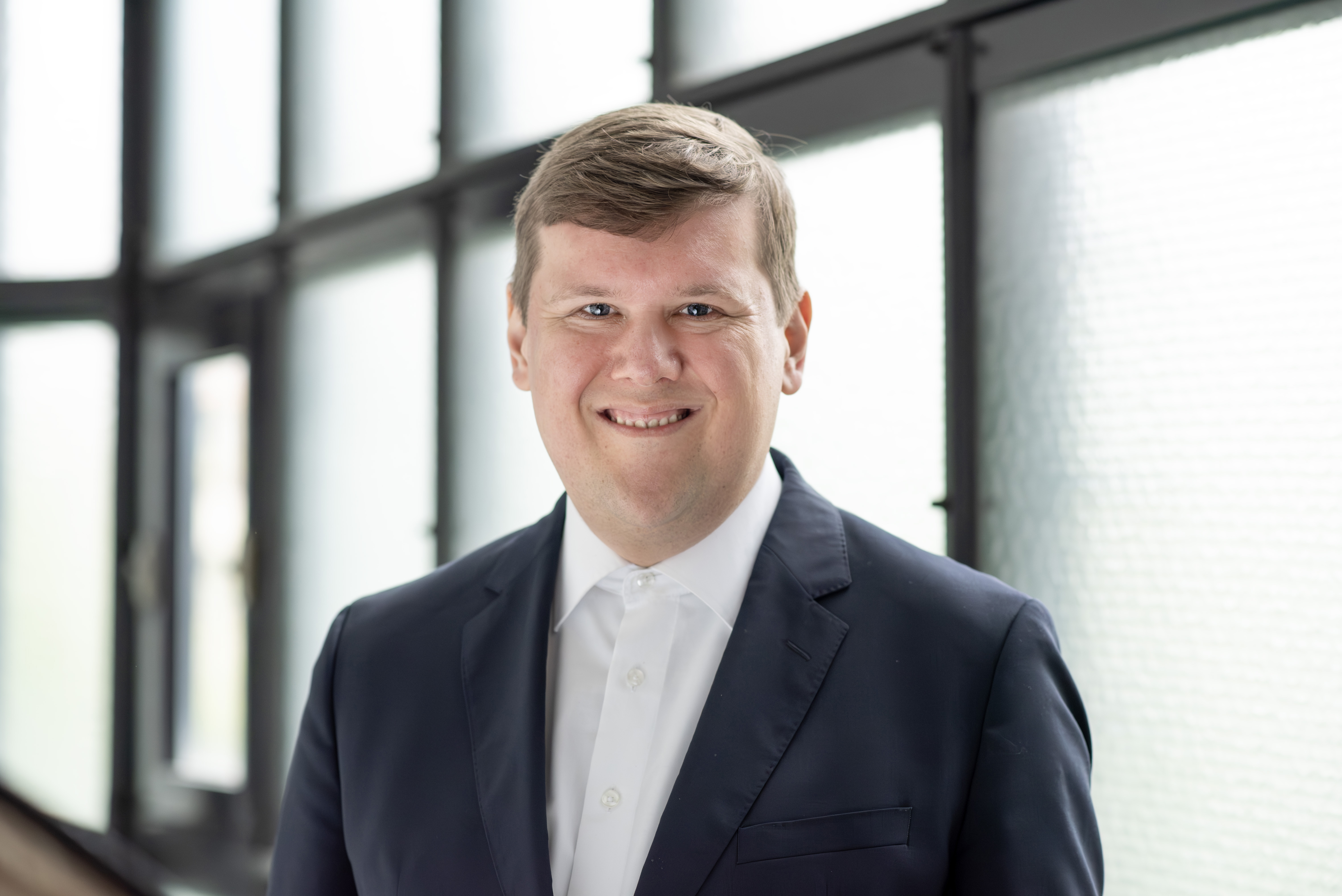
Professor Dr Hendrik Heuer // Photo Friederike von Heyden
Let's take a look at NRW's motto "From coal to AI". Where does the federal state stand on this path and what role does the Commission play in this?
Professor Meisen: We talk ourselves into being worse than we really are. Germany and NRW have a strong scientific basis and internationally recognised expertise in AI research. Despite lower investment compared to top global locations, we are achieving remarkable results in research.
What we have been less successful at so far is the sustainable integration into industrial processes, business models and structures that also fit in with our social expectations. This is precisely where there is great potential that we have not yet sufficiently exploited.
This also requires a change in mentality. We must not wait for others to lead the way, make mistakes and then implement them better later. This attitude has worked in the past. However, this is changing at a time when innovation cycles are extremely short. Particularly in view of the current economic situation, I see the danger of becoming more cautious again, although we need to be bold and lead the way right now.
Professor Heuer: I have a similar view and also think that the state is in a strong position. We have very good universities with great students and doctoral candidates. We have a lot of visionary companies. In my opinion, the discussion should not be: "Who is the biggest?" It should be: "How can we all work together in a meaningful way and what are the benefits for citizens in the end?"
For me, the Enquete Commission is primarily there to set the course. We want to understand what we need to do now so that we can really benefit from AI in the next five, ten and twenty years. What do we actually need to do or avoid? Where do we need to invest money? Where do we need to adapt regulations? Perhaps there are things where pooling is smarter. Not every company has its own power plant, there is one power grid for everyone. The Commission's work will show where we might be stronger together in the end.
How has the first year of the Enquete Commission gone, how are you helping to shape the work of this body and what challenges and opportunities do you perceive?
Professor Heuer: The work is basically like this: You read a lot, a lot and ask questions. We invite additional experts to the individual themed meetings. We can ask them questions in advance, which they answer in writing. We can then ask further questions at the meetings. Afterwards, there are always minutes and this forms the data basis for a final report with recommendations for action, which we present at the end of the commission's two-year work. As experts, we have also developed a common definition of AI for the report and written a background chapter that describes what the status quo actually is in order to have a common basis.
In addition to this central work, we naturally also talk to the members of parliament, share our own research findings and references to interesting contributions, the content of which we believe the members of the Commission should be aware of and take into account. There are also fact-finding trips. For example, we visited Microsoft, Google and the German Research Centre for AI in Berlin and were told what they have in mind, but also asked critical questions. Not all demands are equally easy to realise. So I also see our role as making it easier for MPs to categorise the technology by asking the right detailed questions. We have the expertise to make connections visible and thus also point out decisions that may not be so clever.
Professor Meisen: Of course, the first year was also characterised by understanding the processes of a commission of enquiry and developing a mode for the reporting work. After all, it is important to work together on a perspective that supports the commission as a whole.
Over the course of the first year, it has become clear that key topics have crystallised across different fields of application. Regardless of whether we are talking about AI in education, in SMEs or in administration, questions of regulation, infrastructure or competences always play a central role. The challenge is to concretise these issues: to clarify what "infrastructure" or "framework conditions" actually mean in each case and where the specific challenges lie. In this way, it is possible to achieve the necessary depth of content in the discussions.
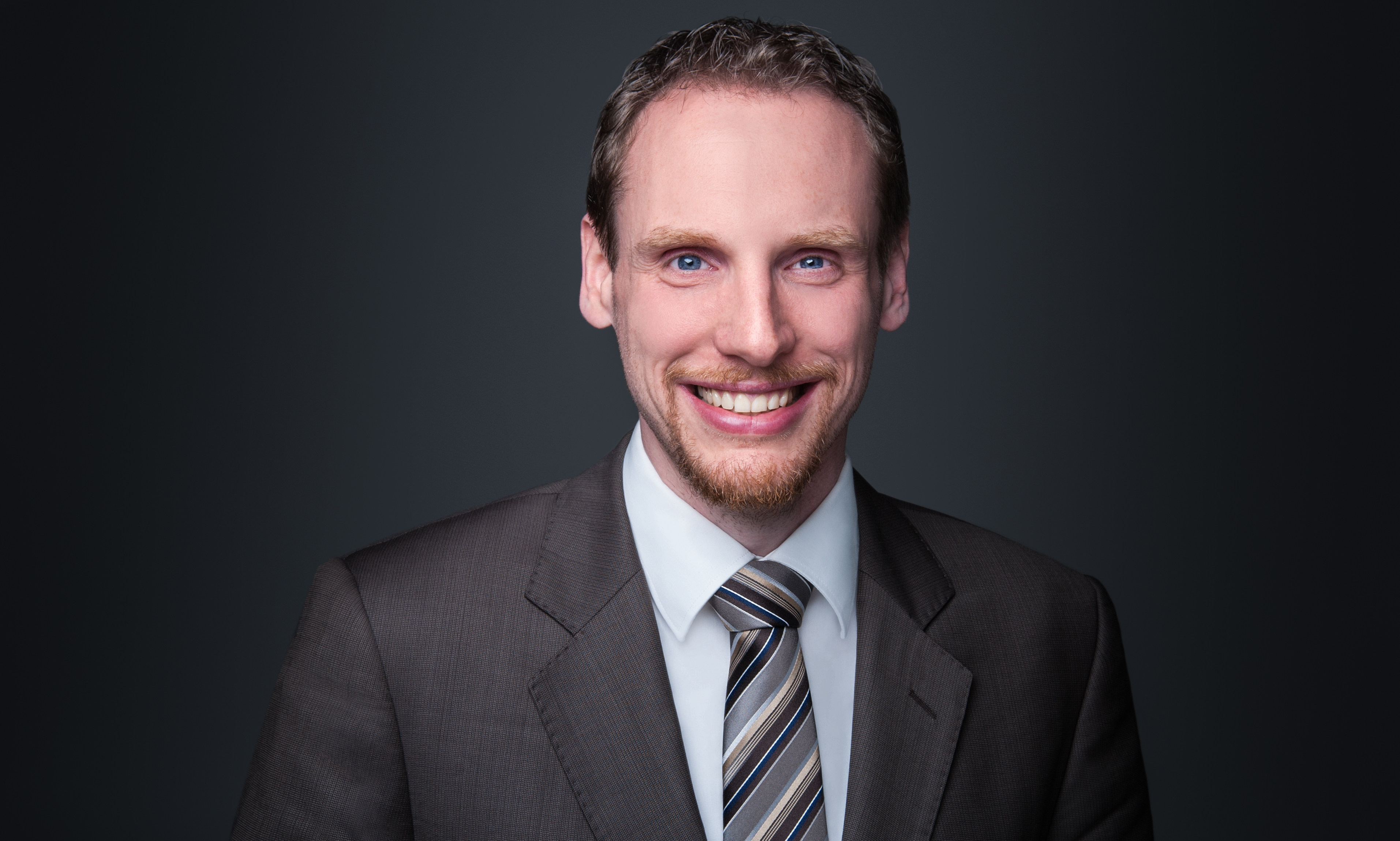
Professor Dr Tobias Meisen // Photo Projektelf Aachen
Beyond the Commission's work, what do you think are important points for the transition to a digital region to succeed?
Professor Heuer: We need to understand AI better overall, then we can shape it. Imagine if the terms bicycle, car and spaceship didn't exist. There would only be the term means of transport. And now people come into a shop who actually need a bicycle, but are sold an SUV for the price of a spaceship. That is the current situation in the field of artificial intelligence. My aim in the Enquete Commission is to give the members of the state parliament and everyone in NRW a more realistic picture of AI: What really brings something, and what are just big promises without substance?
There is currently a lack of understanding and a lack of people who can critically categorise AI. That's why we as scientists are needed. I truly believe that we can achieve high production gains with the help of AI. And I also believe that we can achieve the widespread use of AI in a data protection-compliant and data-efficient way.
Professor Meisen: In my view, the main thing is to actively and confidently shape the change. This includes developing more confidence in our own abilities and making successes visible. At the same time, we shouldn't be too quick to fall back on very generalised explanations such as a lack of infrastructure, regulation or bureaucracy. These issues are real, but they have been with us for a long time, even long before the current AI debate, and they should not stop us from striving for excellence.
The path to becoming a digital region is not a sprint, but an endurance run. Such a process requires not only speed, but above all reliability and the certainty of being able to survive difficult phases. This aspect can be realised through venture capital. It can be used in a targeted manner at crucial moments, provides support and enables young companies to deal with uncertainties. Comparable to glucose in sport, it provides the necessary boost when strength wanes. In Germany, this type of protection is less pronounced, even though the volume has increased in recent years. We need to better understand why there is reluctance, both on the part of companies and capital providers, and derive concrete measures and incentives from this.
What specific milestones along the way can and do you want to contribute to with your research?
Professor Heuer: My research is about human-centred artificial intelligence. We ask how AI can be designed to be trustworthy. As we see it, this is possible in three ways: through understanding, through control and through co-design. For example, we have a major project starting this year in which we want to develop a chatbot that people can use to independently check false information such as fake news. The idea is that if they see something online, they can talk to the chatbot and it will help them understand whether the information is true or false. We want to know, does this work, if so how well and where can it be used?
If we want everyone to benefit from AI, then we need trust in the technology. To build this, we need to involve users deeply and sustainably in the development of AI systems. For example, we develop tools for journalists so that they can benefit from AI. But we also look at the people who are threatened by AI. In a current study, we are investigating the question: What is it actually like for artists when AI takes away their livelihood, what support do they need?
Professor Meisen: My credo is to consistently move from the basics to transfer and application. This is exactly what we are pursuing at my department. It's not about adopting existing AI solutions, but rather researching and developing new, advanced methods that show how work processes can be improved even under complex framework conditions, for example in terms of data protection and ethics.
Our projects on automated or semi-automated quality assessment in production, in which AI is used as a support system, are a suitable example. Our main aim with our research here is to empower: to show what potential is realistic, how such systems can be integrated into existing processes and where their limits lie. By introducing current research into practice in a targeted manner, uncertainties can be reduced, both in companies and among employees. The aim is not to present a process that works under laboratory conditions, but to learn together how AI systems can be used, accepted and further developed in real operations.
The commission is currently in its second year of work: when would you describe the commission's work as a success?
Prof Meisen: For me, the commission's work would be successful when we come up with concrete recommendations for action. It is important to me that we do not allow ourselves to be slowed down by the same old fundamental debates. I am convinced that we can find viable answers and make progress even under the current framework conditions and that we are already doing so in some areas.
It's not just about showing what AI can do, but also showing ways in which investments in this technology will pay off in the long term.
At the same time, the report should not claim to provide a fixed script for the next seven years. What we need are guidelines and a common orientation that recognises that AI development is a continuous process. Strategies must remain adaptable and leave room to react to new developments. Technological disruptions such as the release of ChatGPT in 2022 will continue to come in the future, and we must be able to integrate them into our future path. If we manage to convey precisely this understanding together with a clear vision, then I would describe the Commission's work as a success.
Prof Heuer: Yes, it's about developing a vision that you can work towards. And it's about sensitising people to the topic in the long term, but also inspiring them. The consideration is that many of the members of parliament with whom we are sitting on the Enquete Commission today will be in parliament for a long time to come and will be actively involved in shaping the topic of AI for decades to come. My task, as I understand it, is to make directional decisions and recommendations that go beyond a specific type of AI. For me, it's not just about ChatGPT and generative AI, but much more - at the end of the day, it's about digitalisation and democracy.
Commissions of inquiry
Commissions of inquiry are cross-party working groups set up by the German Bundestag or a state parliament to resolve extensive and significant issues in which different legal, economic, social or ethical aspects have to be weighed up. They consist of members of parliament and experts from academia and practice. At the end of their work, they submit final reports to Parliament in which the results of their work are usually set out in recommendations for legislation.
Each parliamentary group has nominated an expert for the AI Commission of inquiry of the NRW state parliament. They attend the meetings and are independent. The commission started in January 2025 and the final report is published after two years of work.
Hearings, schedule, members: detailed information on the Commission of Inquiry "Artificial Intelligence - For a smart state in a digitalised society" can be found on the NRW state parliament website.
About the people
Tobias Meisen has been Professor of Technologies and Management of Digital Transformation at the University of Wuppertal since September 2018. His research focusses on modern information management in an increasingly networked world. A particular focus is on the development of data-driven systems based on machine learning and deep learning methods, which are specifically designed for industrial applications under real operating conditions.
In addition to his scientific work, Tobias Meisen regularly contributes his research to application-oriented contexts. This experience from the transfer between science and practice, including as co-founder of HotSprings GmbH, which later became part of Accenture, characterises his view of the development and responsible use of digital technologies in business and society.
Prof Dr Hendrik Heuer has been Professor of Human-centered Artificial Intelligence at the Center for Advanced Internet Studies (CAIS) and the University of Wuppertal since 2024. He and his team are researching whether and how users can build trust in AI systems. The aim is to develop new social media by and for users. Principles of trustworthy artificial intelligence are being developed, technically implemented and jointly tested in practical fields of application.