For even more visibility
Institute for Educational Research is a new member of the Leibniz-Research Network Educational Potentials
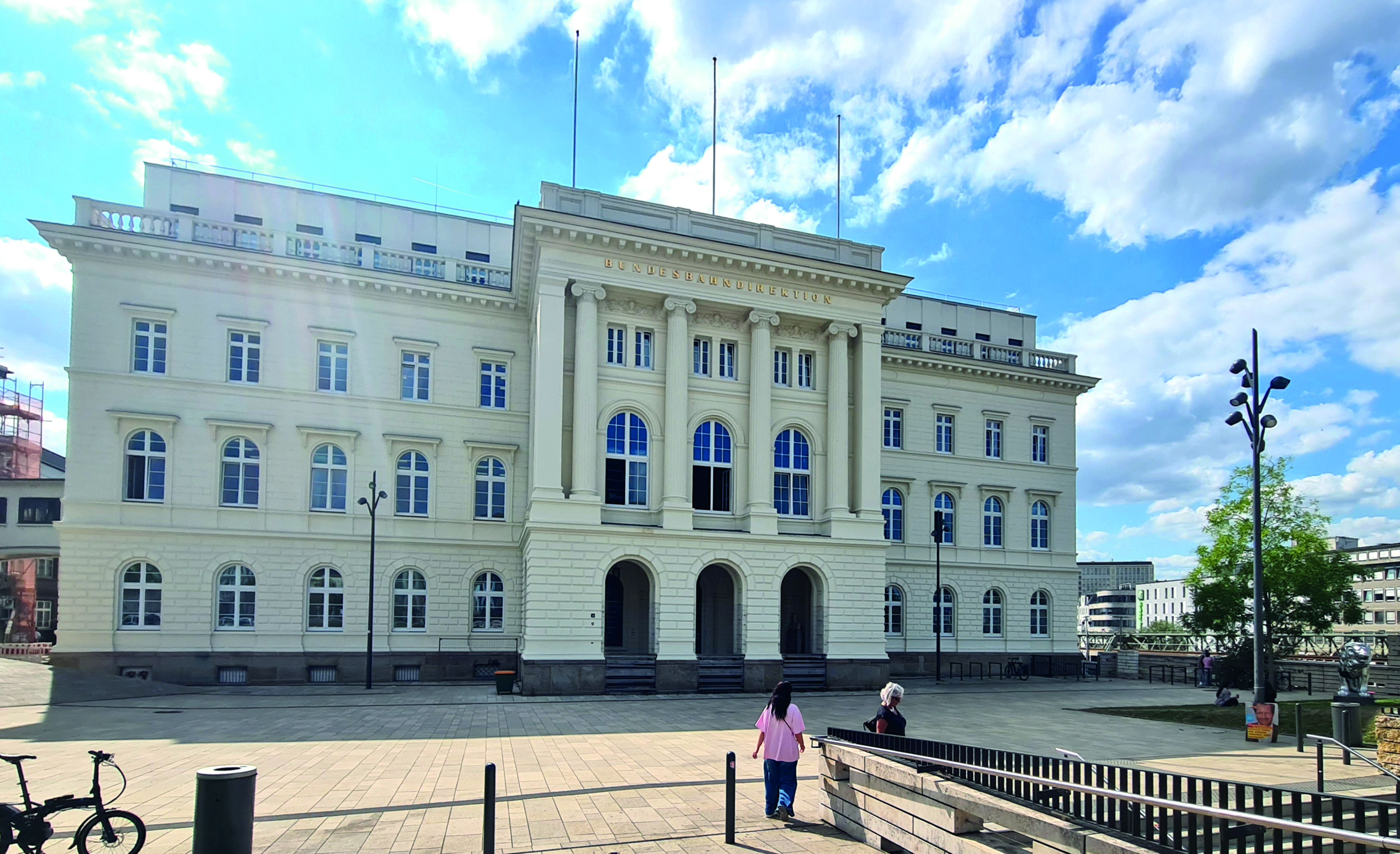
The Institute for Educational Research at the University of Wuppertal in the former Federal Railway Headquarters in Wuppertal city centre. // Photo IfB
The Institute for Educational Research (IfB) is a nationally recognised location for research into all aspects of the school system. The Institute focuses on teaching (interaction), schools (organisation) and society (system). Particularly important topics are the professional development of (prospective) teachers and social inequalities in educational participation. In teaching, the Institute of Educational Research, as part of the School of Education, is responsible for the educational science and special education components of all teacher training programmes at the University of Wuppertal.
The institute, which has grown considerably since its foundation in 2010, currently comprises 21 departments. In fully refurbished premises in the centre of Wuppertal, the institute offers future teachers practical yet scientifically sound courses of study that use the latest digital technologies. One example of this is the classroom with an integrated video system, which combines research and training.
Achieving more together
Prof Dr Gino Casale, Chairman of the IfB: "By joining the network, we can share our scientific findings beyond the region with the other LERN members and contribute to the central educational debates. In particular, LERN's networking activities with education policy are a promising opportunity to strengthen the transfer of knowledge into practice. We also benefit from LERN's tried-and-tested structures, for example in the context of promoting young academics."
LERN network sees education as the cornerstone of professional success and social participation and wants to make better use of the potential of education and for education. Together, the members want to find starting points for viable concepts and promising reforms at an individual, institutional and societal level. The IfB is a strong new partner in the network, which now comprises 29 institutions.
Further information on the LERN network can be found on the website https://www.leibniz-bildung.de/.